
TOP 5 NIGERIAN NEWS STORIES
1. Nigeria Launches $2 Billion Climate Change Fund to Accelerate Energy Transition
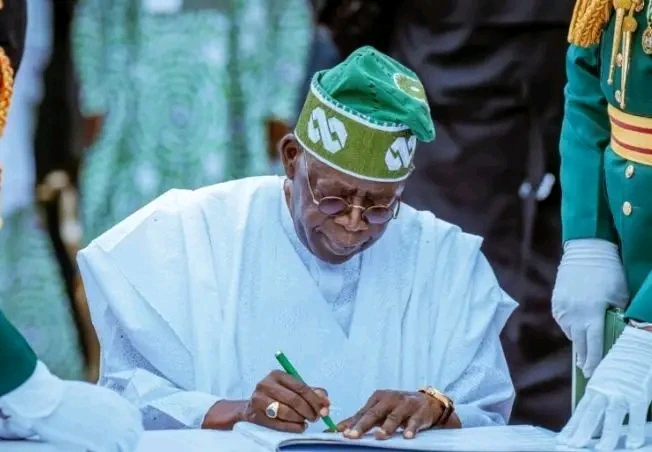
Nigeria has unveiled a $2 billion National Climate Change Fund aimed at building low-emission and climate-resilient infrastructure as part of a broader effort to transition away from fossil fuel dependence. The announcement, made at the Abu Dhabi Sustainability Week summit, showcased President Bola Tinubu’s push for climate action and economic diversification. In addition to the fund, Nigeria also announced the Climate Investment Platform targeting an additional $500 million to mobilize investment from private and institutional sources.
The initiative demonstrates strategic cooperation with international partners, including a Comprehensive Economic Partnership Agreement signed with the United Arab Emirates (UAE) to deepen ties in renewable energy, aviation, agriculture, and climate-smart infrastructure. Officials highlighted strong investor interest, with green bonds oversubscribed, reflecting confidence in Nigeria’s evolving sustainability agenda. Tinubu pointed to a 21 % rise in non-oil exports and over $50 billion in investment commitments as evidence of rising economic momentum tied to reform programs.
The fund is designed to provide critical financing for renewable energy projects such as solar and wind, improve grid infrastructure, and facilitate climate-adapted urban planning — all essential components for achieving Nigeria’s goal of net-zero emissions by 2060.
Source: Reuters

2. Nigeria Enters Economic Consolidation Phase After Major Reforms
Nigeria’s economy appears to be entering a phase of consolidation following two years of sweeping reforms that have aimed to stabilize key macroeconomic metrics. According to Finance Minister Wale Edun, inflation has eased significantly and the currency has strengthened as the government implemented reforms including removal of fuel subsidies, sensitive exchange rate unification, and a comprehensive overhaul of the tax system.
These changes, while credited with helping to steady the economy, have also contributed to a severe cost-of-living crisis, with labour unions and civil society groups reporting hardship for ordinary Nigerians due to sustained price pressures. The government and investors, however, see early signs of recovery: inflation dropped compared with previous years, and foreign exchange reserves have increased. Edun described this period as a crucial turning point that could attract further investment and improve economic resilience.
This narrative highlights the complex balance between macroeconomic reform and socioeconomic impact, especially in a country of more than 220 million people facing rising living costs and structural fiscal challenges.
Source: Reuters
3. Hiring of U.S. Lobbyists Signals Strategic Diplomatic Outreach
In a bid to navigate complex foreign policy terrain and improve relations with the United States, the Nigerian government hired a U.S. lobbying firm to communicate its positions directly to American policymakers, particularly around security cooperation and concerns about the protection of religious minorities.
The decision comes amid ongoing security crises in northern and central Nigeria and as Nigerian officials seek to counter external criticism and influence U.S. policy toward greater support for Nigeria’s counter-terrorism efforts. The lobbying firm’s mandate reportedly includes strengthening ties with the Trump administration, managing narratives about the protection of Christians and other vulnerable populations, and enhancing overall diplomatic engagement.
This marks a notable shift in how Nigeria engages global power centers — moving from traditional multilateral diplomacy toward strategic engagement with specific foreign policy actors in Washington.
Source: Reuters
4. Deadly Market Attack in Maiduguri Underscores Persistent Security Threats
Security challenges remain one of Nigeria’s most pressing issues. Last week, gunmen attacked a busy market in Maiduguri — the capital of Borno State — killing at least 30 people and abducting several others, according to police sources and local authorities.
This incident is part of a broader pattern of violence linked to extremist groups such as Boko Haram and the Islamic State West Africa Province (ISWAP), which have operated in northeastern Nigeria for years, destabilising local communities and overwhelming security forces. The attack at Maiduguri market underscores how the security crisis continues to threaten everyday life, commerce, and civic stability, particularly in the Lake Chad region where militants have established strongholds.
The violence has put pressure on national and regional governments to enhance military and community responses to insurgency and protect civilians.
Source: Reuters

5. Nigeria Clinches Third Place at Africa Cup of Nations
In positive news on the sports front, the Nigeria national football team secured third place at the 2026 Africa Cup of Nations (AFCON) after defeating Egypt 4-2 in a penalty shootout following a 0-0 draw in regular time. The match, held in Casablanca, saw goalkeeper Stanley Nwabali play a crucial role in saving critical penalties, while two Nigerian goals were disallowed in the match due to offside rulings.
This achievement marks Nigeria’s ninth time finishing third in AFCON history — an impressive feat that highlights the nation’s competitive football culture and development. The victory has been celebrated across Nigeria, offering a unifying moment amidst ongoing economic and security challenges.
Source: Reuters
TOP 5 WORLD NEWS STORIES
1. Trump’s Global Trade Strategy Sparks Market Volatility
Global financial markets experienced heightened volatility last week after U.S. President Donald Trump vowed to impose tariffs on eight European nations and potentially more until disputes over Greenland and allied trading practices are resolved. Europe’s major economies faced fresh uncertainty as announcements rattled investor confidence, sparking fluctuations in stock and currency markets.
The proposed tariff strategy, part of the Trump administration’s broader “America First” agenda, aims to force changes in trade behavior and address what the U.S. describes as unfair barriers or strategic disadvantages. European leaders have signaled opposition, raising the specter of reciprocal measures.
The announcement not only affected transatlantic economic relations but also injected geopolitical risk into global markets — highlighting how trade policy can swiftly influence investor sentiment and broader economic stability.
Source: Reuters

2. Davos 2026 Opens Amid Major Geopolitical Strains
The 2026 World Economic Forum (WEF) in Davos, Switzerland opened last week against a backdrop of rising geopolitical tensions and eroding multilateral cooperation. With the theme “A Spirit of Dialogue,” the summit has drawn world leaders, business titans, and policymakers who are wrestling with the breakdown of traditional alliances and escalating global conflicts.
U.S. President Trump attended with one of the largest delegations, underscoring the shifting nature of global power dynamics. Discussions focused on trade conflicts, security challenges, energy shifts, and the future of multilateral frameworks. The forum’s annual risk survey highlighted concerns over interstate war and geo-economic confrontation — revealing deep fractures in global governance amid competing national interests.
Source: Guardian

3. Iran Protests and Government Crackdown Remain Central Global Issue
While large-scale demonstrations in Iran have somewhat abated after a deadly crackdown, the 2025–2026 Iranian protests remain a critical global human rights and geopolitical story. Mass demonstrations that have swept the country since late 2025 — driven initially by economic hardship, hyperinflation, and dropping living standards — turned into powerful expressions of discontent with the regime.
In response, Iranian authorities implemented widespread internet blackouts and communications restrictions, making independent reporting difficult. State forces conducted arrests and forceful dispersals, with credible reports of hundreds of deaths and thousands injured. The government’s determination to suppress dissent reflects ongoing internal fractures and raises broader questions about political stability in the Middle East.
Source: Wikipedia

4. Australia Battles Major Bushfires Amid Heatwave
Across southeastern Australia, thousands of firefighters battled intense bushfires that razed homes, cut power to tens of thousands of residents, and burned vast swaths of land. The fires, exacerbated by an ongoing heatwave, tore through more than 300,000 hectares — marking one of the worst fire seasons since the infamous Black Summer of 2019-20.
Communities across Victoria and neighbouring regions faced evacuation orders and loss of property. The crisis has put renewed focus on climate change, land management practices, and emergency response coordination as governments and residents grapple with increasingly severe fire seasons.
Source: Reuters

5. Greek Flights Resume After Radio Frequency Collapse
In a widely felt disruption to European air travel, Greek airports temporarily halted flights due to a collapse of radio frequencies that control crucial communications between aircraft and air traffic controllers. The incident grounded departures and arrivals for several hours, affecting thousands of passengers and highlighting the vulnerability of critical infrastructure systems in modern air transport.
The disruption was eventually resolved, allowing flights to resume, but the episode has prompted broader discussions about redundancy systems and the resilience of aviation communications infrastructure across Europe.
Source: Reuters