
Top 5 Nigerian News Stories (Last Week)
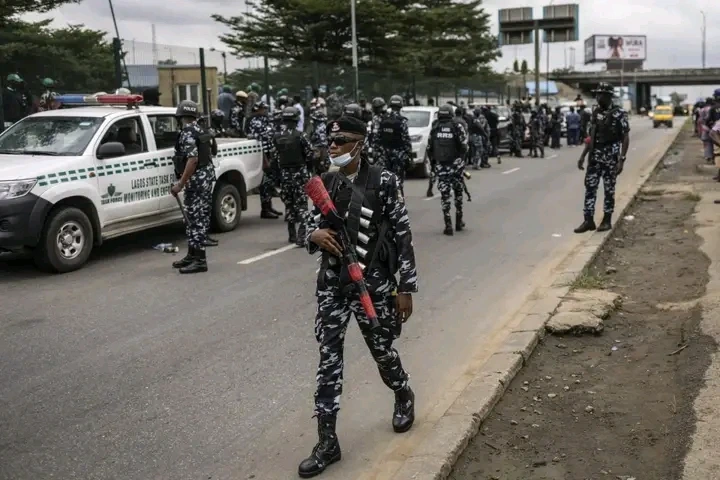
1. Deadly Gunmen Dawn Raids Kill at Least 32 in Niger State
In a major security crisis, armed gunmen launched coordinated dawn raids on three communities in Nigeria’s Niger State — Tunga-Makeri, Konkoso, and Pissa — killing at least 32 people. According to police reports, six victims died in Tunga-Makeri, and a local resident in Konkoso reported 26 deaths. The attackers moved swiftly and overwhelmed villagers, abducting a number of residents as security forces were not present during the incursions.
This incident highlights the ongoing escalating security challenges across northern Nigeria, where both jihadist groups (including Boko Haram and ISWAP) and armed gangs continue to operate. The attacks follow a recent massacre in neighboring Kwara State, where at least 162 civilians were killed, prompting national and international concern.
Nigeria’s government has faced criticism — especially from the United States — for failing to adequately protect citizens amid rising violence. As a result, Nigeria and the U.S. have entered a security partnership, with targeted strikes and increased cooperation against extremist groups.
Source: AP News

2. Argungu Fishing Festival Returns in 2026
After years of disruption due to security concerns and logistical setbacks, the famous Argungu Fishing Festival was successfully held in Kebbi State, attracting thousands of participants and spectators. The festival — rooted in tradition since 1934 — involves fishermen racing into the Matan Fadan River to catch the largest fish using nets, bare hands, and gourds. This year’s winning catch weighed a remarkable 59 kg, earning the fisher significant recognition and monetary prizes.
Despite lingering security threats in northern regions, the festival’s return has been celebrated as a symbol of cultural resilience and has provided economic benefits through tourism and local commerce. President Bola Tinubu was among the high-profile attendees, emphasizing unity and cultural pride. However, the safety concerns that once halted the event persist, with some visitors still cautious due to ongoing violence in nearby communities.
Source: AP News
 3. U.S. to Deploy 200 Troops to Train Nigerian Military
The United States is set to send approximately 200 troops to Nigeria as part of a new military training mission aimed at bolstering Nigeria’s fight against Islamist insurgents, including Boko Haram and ISWAP. This deployment follows U.S. airstrikes targeting extremist positions in northwest Nigeria and expands on prior U.S. reconnaissance and advisory efforts in the region.
The move signifies a deepening of U.S. involvement amid Nigeria’s prolonged struggle with insurgency that has lasted over 17 years. President Donald Trump has cited concerns about the protection of religious minorities, while the Nigerian government maintains that its operations target all militant groups, not specific communities.
The training mission is intended to enhance the Nigerian military’s operational effectiveness and strategic capacity, although it also reflects broader geopolitical security collaboration between Washington and Abuja.
Source: Reuters

4. Nigeria Senate Reverses Course on Real-Time Election Result Transmission
Nigeria’s Senate reversed its opposition and backed real-time electronic transmission of election results following pushback from civil society organizations, labor unions, and the legal community. Originally, lawmakers rejected the idea due to concerns about infrastructure and security. However, following protests and pressure from groups like the Nigerian Bar Association and Nigeria Labour Congress (NLC), the Senate agreed to align with the House of Representatives’ earlier support for the measure.
Advocates argue that real-time transmission will curb electoral fraud, increase transparency, and reduce post-election disputes — crucial for Nigeria’s democratic integrity ahead of the 2027 elections. A joint committee will now harmonize the electoral act before it is presented to President Tinubu.
Source: Reuters

5. Nigerians Turn to AI Chatbots for Mental Health Support
Amid ongoing gaps in mental health care — due to shortages of professionals, stigma, and economic constraints — Nigerians are increasingly turning to AI-driven mental health chatbots. Platforms like Chat Kemi and FriendnPal offer 24/7 emotional support, coping strategies, and psychosocial referrals. Users often cite affordability, anonymity, and accessibility as key benefits, with many turning to these tools in moments of crisis or loneliness.
While NGOs support this shift and contribute resources, experts raise concerns regarding data privacy, emotional nuance limitations, and the lack of formal regulations. Critics warn that AI cannot replace trained professionals, especially in severe cases. Still, given the very limited psychiatric workforce in Nigeria, chatbots provide often-needed interim support for people who otherwise would have nowhere to turn.
Source: Guardian
Top 5 World News Stories (Last Week)

1. Global Leaders Convene at the 62nd Munich Security Conference
The 62nd Munich Security Conference (MSC) — held from 13–15 February 2026 in Munich, Germany — brought together senior policymakers, military leaders, and diplomats to tackle pressing global security issues. Against the backdrop of ongoing conflicts in Ukraine and the Middle East, discussions emphasized expanded defense cooperation, cybersecurity, and AI governance. NATO members debated long-term military commitments, while global powers stressed the need to adapt collective security frameworks to evolving threats.
The MSC is considered one of the most influential platforms for shaping international security norms and responses to geopolitical instability, reflecting rising concerns over renewed Russian aggression, digital warfare risks, and alliance cohesion.
Source: Wikipedia
2. Japan’s Historic Election Results and Rising Regional Tensions
In the 2026 Japanese general election, Prime Minister Sanae Takaichi’s Liberal Democratic Party secured a historic two-thirds majority in the House of Representatives. This landslide victory positions her to pursue bold policy reforms, including greater defense spending and economic measures aimed at strengthening Japan’s global role.
Tensions with China also escalated after Japan’s maritime authorities seized a Chinese fishing vessel inside its Exclusive Economic Zone, intensifying diplomatic strain over resource and security policy. The political shift marks significant change in East Asian geopolitics and could influence regional balance amid U.S.–China strategic competition.
Source: Wikipedia

3. School Shooting in Canada Prompts National Mourning
A tragic school shooting in Tumbler Ridge, British Columbia, Canada claimed the lives of six people — including students and teachers — making it one of the deadliest school shootings in recent Canadian history. In response, Prime Minister Mark Carney postponed scheduled diplomatic travel and addressed the nation on the tragedy’s profound impact.
The incident has reignited public debate on gun laws, school safety, and mental health supports in Canada, prompting calls for policy reviews to prevent future violence.
Source: en.thairath.co.th

4. Southern Hemisphere Faces Record Heat and Climate Extremes
Countries in the Southern Hemisphere are grappling with severe climate impacts, including record-breaking heatwaves, wildfires, droughts, and flooding. Australia experienced prolonged heat nearing 50 °C, while Argentina and Chile saw catastrophic wildfires and flood events, respectively. East Africa — including Kenya and Somalia — faced debilitating drought, leading to national emergency declarations.
The escalating extremes illustrate accelerating climate change effects with implications for public health, agriculture, and displacement. Climate specialists warn global preparedness needs urgent scaling.
Source: Reuters 5. World Elections and Protests Mark Political Shifts Globally
Last week witnessed major elections in several countries with significant political implications.
Portugal elected its first socialist head of state in 20 years, reshaping European political dynamics.
Thailand and Bangladesh held elections that either solidified incumbent leadership or reflected pathways to political renewal after years of contested governance.
These elections — alongside regional protests tied to governance, economic conditions, and civil rights — signal broad political recalibration across continents.
Source: en.thairath.co.th