
TOP 5 NIGERIAN NEWS STORIES (LAST WEEK)
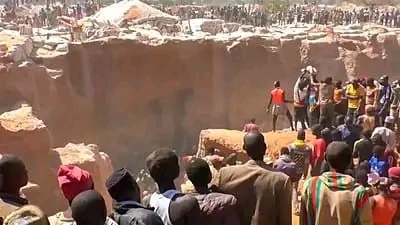
1. Toxic Gas Leak at Plateau State Mine Kills 37 Miners
A devastating toxic gas leak in an informal mining site in Wase, Plateau State has claimed the lives of at least 37 miners and left dozens hospitalized, marking one of the deadliest mining tragedies in Nigeria in recent times. According to multiple confirmed reports, the incident occurred on the morning of 18 February 2026 when miners were finishing their night shift inside an underground prospecting site. The victims were exposed to a lethal cocktail of gases, including carbon monoxide, lead oxide, sulfur compounds, and potentially other noxious fumes trapped in poorly ventilated shafts.
Preliminary investigations indicate that toxic gas buildup likely caused the fatal exposures, with many miners collapsing underground before they could escape. Some miners were discovered by their morning-shift colleagues, prompting a large-scale rescue and medical evacuation operation. Survivors and eyewitnesses described chaotic scenes as colleagues attempted to pull victims to safety, only to be overwhelmed by the effects of the gas and poor visibility.
Authorities have closed the mining operation indefinitely pending a full probe, which will look into potential regulatory failures and whether the site was being operated legally. Experts have also raised concerns about the broader issue of poor oversight in Nigeria’s artisanal mining sector, which has a long history of safety lapses and fatal accidents.
Source: Ground News
2. Nigeria Opens Official Probe Into Temu Over Data Protection Allegations
The Nigeria Data Protection Commission (NDPC) has launched an investigation into the Chinese-owned e-commerce giant Temu amid concerns the platform may have violated Nigerian data protection laws. The probe, announced in mid-February 2026, centers on allegations that Temu engaged in non-transparent data handling practices, possibly including excessive data collection, intrusive online surveillance, and unlawful cross-border transfers of user information.
Temu, a subsidiary of Nasdaq-listed PDD Holdings, has rapidly expanded its user base in Nigeria, now managing data for millions of Nigerians as well as tens of millions globally. In official statements, the NDPC emphasized that data minimization and transparency are core to Nigeria’s data protection regime and warned that non-compliance could lead to legal sanctions or fines.
Temu responded by affirming its commitment to cooperating with Nigerian authorities, but the situation highlights growing regulatory scrutiny of foreign digital platforms operating in Africa’s largest economy. This move follows recent enforcement actions, including a substantial fine against Multichoice Nigeria for similar breaches, underscoring the government’s resolve to tighten data privacy safeguards in a rapidly digitizing economy.
Source: Reuters

3. Ramadan Crescent Sighted Across Nigeria, Marking Start of Fasting
Muslim communities across Nigeria have begun observing Ramadan, the holy month of fasting, prayer, and reflection. Religious authorities confirmed that the Ramadan crescent moon was sighted on 18 February 2026, ushering in the beginning of the month of fasting (1447 AH).
Millions of Muslims from the north to the south of Nigeria have commenced daily fasts from dawn until sunset, a practice that continues for approximately 29–30 days until the sighting of the next crescent. The declaration was widely welcomed by religious leaders, who used the occasion to call for peace, charity, and greater social cohesion during the holy month.
The observance of Ramadan in Nigeria has significant cultural and economic implications, as markets adjust hours and workplaces often adapt schedules to accommodate fasting employees. Religious celebrations such as Taraweeh prayers and community iftars (breaking of the fast) have drawn large gatherings, albeit with health protocols in place given residual concerns over communicable diseases.
Source: Trending News
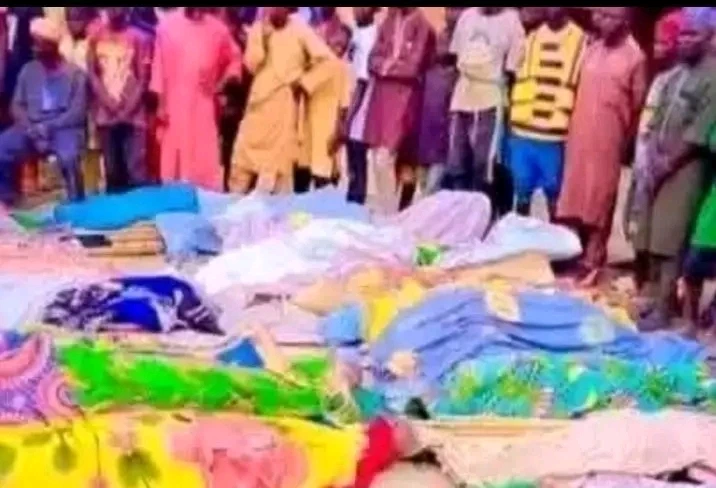
4. Armed Attack in Zamfara Village Leaves At Least 38 Civilians Dead
In Zamfara State, northwestern Nigeria, a brutal attack by suspected armed bandits resulted in the deaths of at least 38 villagers in the Dutse Dan Ajiya area. Local authorities reported that the attackers opened fire on civilians in what appears to be part of an ongoing security crisis in the region, where militant groups and criminal gangs frequently carry out violent raids, kidnappings, and theft.
The assault has reignited discussions about the government’s capacity to curb banditry, a pervasive security challenge that has destabilized many rural communities. Residents described chaotic scenes as families fled their homes under heavy gunfire, leaving behind property and livestock.
Security forces have since launched a follow-up operation to apprehend perpetrators and secure the affected communities. The incident adds to a growing pattern of violence in the northwest and central parts of Nigeria, which activists, analysts, and civil society groups argue requires more comprehensive strategies integrating security, economic development, and community resilience efforts.
Source: The Times of India

5. Nigerian Economy & Governance: Multiple Local Political and Fraud Allegations Rise
Reports from Nigerian news outlets indicate a surge in economic governance issues, fraud allegations, and political reforms dominating public discourse. High-profile cases include claims of explosive fraud allegations against the Osun State Government, debates over salary and BVN irregularities, and strengthened anti-corruption partnerships between the Nigeria Immigration Service and other regulatory bodies.
Additionally, discussions over maritime security reforms, leadership restructuring across key agencies, and banking sector consolidation are trending in policy circles. While not a single event, this cluster of governance and economic governance topics reflects intensifying scrutiny over public sector accountability and regulatory effectiveness.
Source: ConduitNewsNG
TOP 5 WORLD NEWS STORIES (LAST WEEK)

1. Russia’s Wagner Group Shifts Focus to European Sabotage
According to a recent financial times briefing, Western intelligence sources report that Russia’s Wagner mercenary group is now pivoting operations toward Europe in a bid to recruit economically vulnerable individuals for acts of sabotage and unrest. These operations allegedly involve arson, vandalism, and ideological provocations aimed at undermining support for Ukraine among NATO member states.
This shift comes amid a reported weakening of Wagner’s traditional battlefield influence and follows diplomatic tensions leading to expulsions of Russian operatives from several Western capitals. The development has raised alarm among European security agencies, as it represents a new front in hybrid warfare, blending irregular tactics with psychological and social destabilization campaigns.
Source: FirstFT

2. Trump Administration Raises Global Tariffs to 15%
In a major international economic move, the **U.S. administration announced a plan to raise **global tariff rates to 15 percent following a recent Supreme Court decision that upheld expansive trade authority. The policy is part of a broader shift toward protectionist trade measures and has triggered concerns among global partners over rising costs, supply chain disruptions, and potential trade wars.
Economists warn that higher tariffs could disproportionately affect developing economies and global markets already grappling with inflation and supply bottlenecks. Nations heavily reliant on U.S. imports or exports are assessing the potential impact on consumer prices, investment flows, and bilateral relations.
Source: Reuters

3. Cuban Security Forces Pull Back From Venezuela Under U.S. Pressure
News outlets reported that Cuban security personnel and advisers are withdrawing from Venezuela as mounting diplomatic pressure from the United States compels Caracas to unwind its long-standing military alliances. The adjustment signals shifting dynamics in Latin America, where strategic influence has long oscillated between regional actors and global powers.
The withdrawal is expected to have implications for Venezuela’s internal stability and geopolitical alignments, particularly in light of ongoing economic challenges and political polarization. Analysts view the move as part of a broader recalibration of influence in the Western Hemisphere.
Source: Reuters
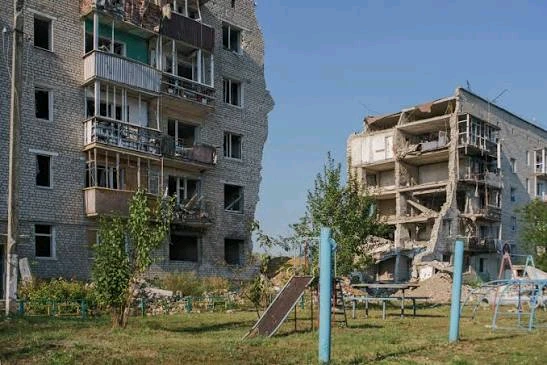
4. Ongoing Russia-Ukraine Conflict and Refugee Crisis Persist
The war between Russia and Ukraine continues to dominate international headlines. Recent developments include continued missile and drone strikes on Ukrainian energy infrastructure, exacerbating power shortages and civilian hardship. Meanwhile, Ukrainian refugees residing across Europe remain in a state of limbo, with many grappling with temporary status, housing insecurity, and limited employment opportunities.
The conflict, now entering its fourth year, has prompted the largest European refugee crisis since World War II and remains a central focus for diplomatic negotiations and humanitarian relief efforts.
Source: Reuters

5. Escalating Tensions in Middle East and South Asia
Various reports highlight escalated tensions in the Middle East and South Asia:
Pakistani forces conducted military strikes on militant camps in Afghanistan, claiming to target groups responsible for recent suicide attacks.
Iranian students protested as new academic terms began amid broader political pressures, signaling internal unrest.
Ongoing regional conflicts, drone strikes, and geopolitical frictions in countries like Afghanistan, Iran, and Lebanon continue to draw international concern.
These developments underscore persistent instability in key geopolitical hotspots and the broader challenges of counter-terrorism, diplomatic engagement, and regional security.
Source: Reuters